Powering the South Bay: What Commercial Electrical Work in the LAX Corridor and Orange County Actually Demands
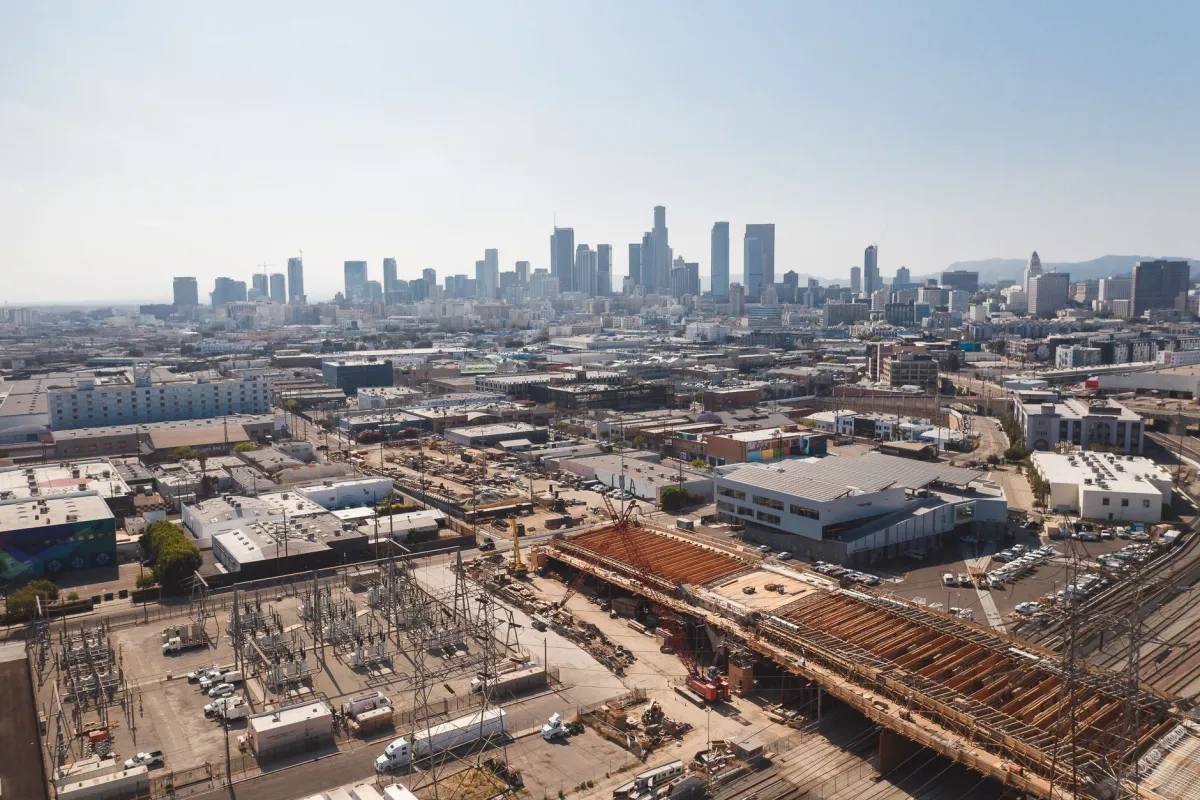
The South Bay of Los Angeles runs on power that cannot blink. From the aerospace plants ringing the LAX corridor to the data halls, hospitals, and campuses scattered across LA County and Orange County, this is a region where electrical work is measured against uptime, life safety, and code compliance rather than convenience. Understanding what that bar actually demands is the difference between a contractor who can wire a building and one who can keep a critical facility running.
A region defined by critical loads
There is a reason the South Bay reads like a directory of high-stakes industries. El Segundo and the surrounding LAX corridor have been home to aerospace and defense for generations, and the logistics, telecommunications, and data infrastructure that grew up alongside them carry the same intolerance for downtime. Push east into Orange County and the mix broadens into healthcare systems, financial offices, retail, and public and private colleges, but the underlying expectation holds steady: the lights, the servers, and the safety systems stay on.
That concentration shapes the kind of electrical work the region needs. A tenant improvement for an aerospace tenant near the airport is not the same as a generic office buildout. A data center expansion has metering, redundancy, and commissioning requirements that a strip-mall renovation never will. Serving cities like Los Angeles and the dense industrial belt around El Segundo means showing up fluent in those distinctions from the first walkthrough.
What "non-negotiable" actually looks like
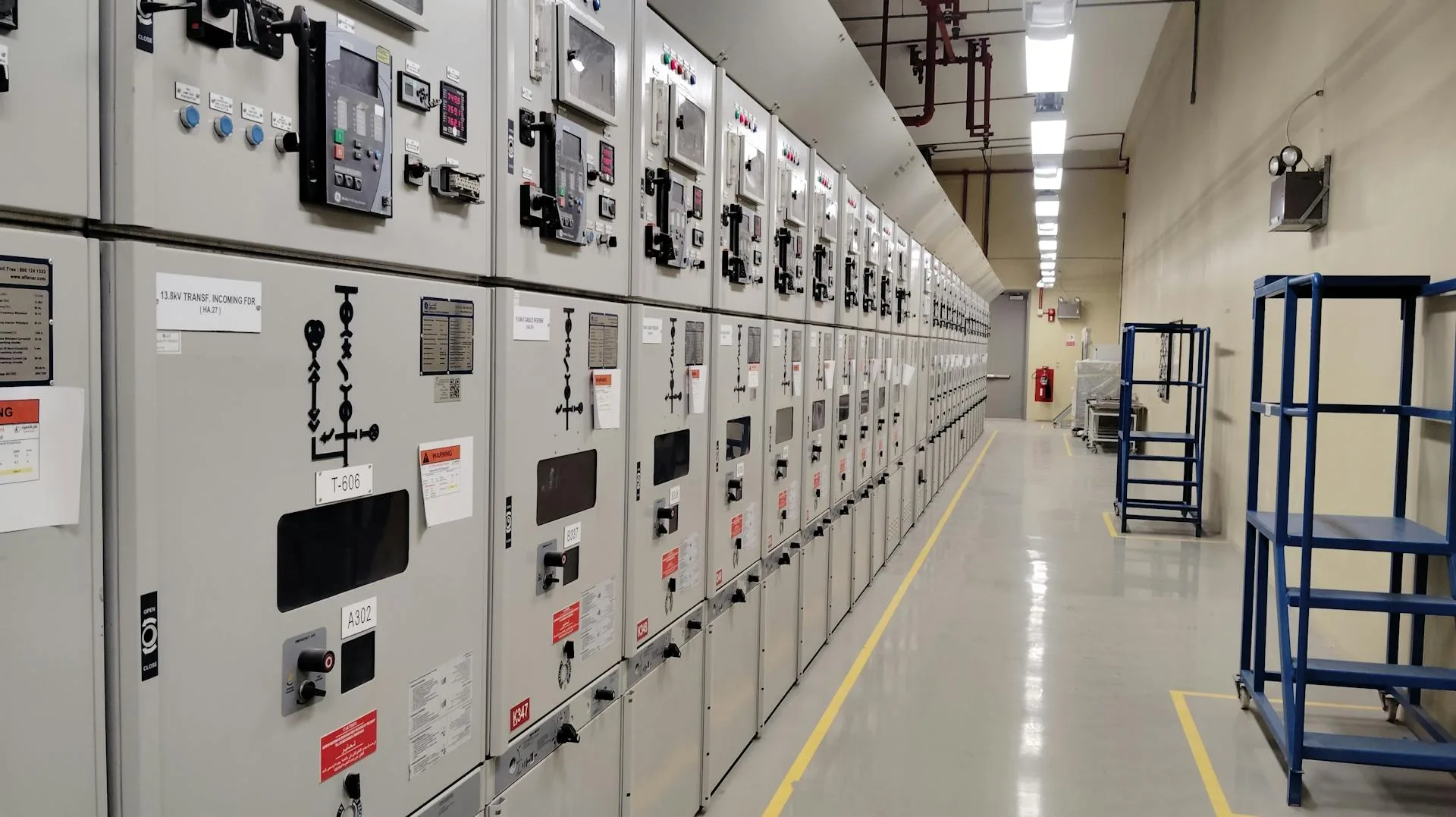
When people say a facility's power is mission-critical, they usually mean a few concrete things. Healthcare facilities need essential electrical systems that hold up under inspection and during an outage. Data centers and telecom sites need clean, redundant power and metering they can trust. Defense and aerospace work carries its own layer of documentation, access control, and accountability. None of these tolerate guesswork.
California raises the floor further. Title 24 governs how commercial buildings handle energy and lighting controls, and meeting it is not a box you check at the end. It informs how lighting, controls, and metering get specified and installed from the start. Acceptance testing verifies that those systems perform the way the design intended once they are energized. Working in this region means treating Title 24 compliance and acceptance test certification as part of the job, not an afterthought handed to someone else. The same goes for accurate sub-metering, where E-MON D-MON systems let facility teams see exactly where their power is going across tenants and equipment.
Why local knowledge is a real advantage
Codes are statewide, but enforcement is local. Every city in LA County and Orange County has its own authority having jurisdiction, its own inspectors, its own permitting rhythms and preferences. A contractor who has pulled permits and passed inspections across the South Bay and into Anaheim and Irvine knows how those offices actually operate, and that knowledge keeps projects from stalling on avoidable corrections.
Local familiarity goes beyond paperwork. Knowing the older industrial stock around the LAX corridor, the utility coordination that comes with it, and the realities of working in occupied facilities downtown or in Long Beach saves time that an out-of-area firm spends learning on the client's schedule. For a facility manager or general contractor trying to keep a project on time and within budget, that head start matters.
The case for a union, established contractor
The labor behind the work is as important as the design. As a signatory to IBEW Local #11 in LA County, Local #441 in Orange County, and Local #40 covering the motion picture studios, and a member of the NECA LA County chapter, our crews are certified journeymen trained to a consistent standard. For commercial clients, that translates into predictable craftsmanship and a workforce that can be staffed up for larger projects without compromising quality.
Longevity reinforces that. Established in 2001 and woman-owned, J.E. Snyder Electric has built long-running relationships with organizations including Boeing, Raytheon, Northrop Grumman, Xerox, Time Warner, and Loyola High School. Those are clients who do not tolerate rework or schedule slips, and the relationships have lasted because the work holds up. Holding California C-10 license #801680 is the baseline; the track record is what tells a decision-maker the baseline is consistently met.
Service lines that work together
Most commercial projects do not stay in a single lane, and the work in this region rarely does either. Electrical contracting covers the power distribution, lighting, and systems that form the backbone of any commercial space. Fire life safety addresses the alarm and notification systems that inspectors and insurers scrutinize closely. Voice, data, and fiber handles the structured cabling that ties modern facilities together, which matters enormously in a region this dependent on connectivity. Industrial fan installation adds large HVLS systems from Hunter Industrial and Big Ass Fans that keep high-volume spaces like warehouses and hangars comfortable and efficient.
Keeping those disciplines under one roof reduces the coordination gaps that cause delays and finger-pointing on a job site. When the same contractor handles the power, the life-safety systems, and the cabling, the schedule has fewer seams to come apart at, and the facility owner has one accountable party instead of several.
Built for the work the South Bay actually has
Commercial electrical work in the LAX corridor and Orange County is not generic. It is shaped by the industries that fill the region, the code bar California sets, and the inspectors who enforce it building by building. A contractor who knows that landscape, staffs it with certified union journeymen, and has decades of critical-facility work behind them gives a project the best chance of finishing on time and within budget.
If you are planning a commercial project, a tenant improvement, or a critical-facility upgrade anywhere across the South Bay, LA County, or Orange County, reach out to talk through the scope. We are glad to walk the site and tell you straight what the work will take.
Quick answers.
What industries drive commercial electrical demand in the South Bay and LAX corridor?
The region is dense with aerospace, defense, logistics, telecommunications, and data infrastructure, with healthcare, financial, retail, and college campuses extending into Orange County. These are settings where uptime, life safety, and code compliance are non-negotiable, which shapes the kind of electrical work the area requires.
Why does local knowledge matter when choosing a commercial electrical contractor?
Codes are statewide, but enforcement is local. Every city across LA County and Orange County has its own authority having jurisdiction, inspectors, and permitting rhythms. A contractor experienced with South Bay and OC AHJs keeps projects from stalling on avoidable corrections and saves the time an out-of-area firm spends learning on the job.
What does Title 24 compliance and acceptance testing involve for a commercial project?
Title 24 governs how commercial buildings handle energy and lighting controls in California, and it informs how lighting, controls, and metering are specified and installed from the start. Acceptance testing verifies that those systems perform as the design intended once energized, which is why working with a Title 24 compliant and Acceptance Test Certified contractor matters.
What are the advantages of hiring a union electrical contractor?
As a signatory to IBEW Local #11, Local #441, and Local #40 (motion picture studios) and a NECA LA County chapter member, crews are certified journeymen trained to a consistent standard. For commercial clients, that means predictable craftsmanship and a workforce that can scale up for larger projects without compromising quality.
What services does J.E. Snyder Electric offer for commercial facilities?
Our integrated service lines: electrical contracting for power distribution, lighting, and systems; fire life safety for alarm and notification systems; voice, data, and fiber for structured cabling; and industrial fan installation (Hunter Industrial and Big Ass Fans HVLS systems). Keeping these under one roof reduces coordination gaps and gives the facility owner a single accountable party.
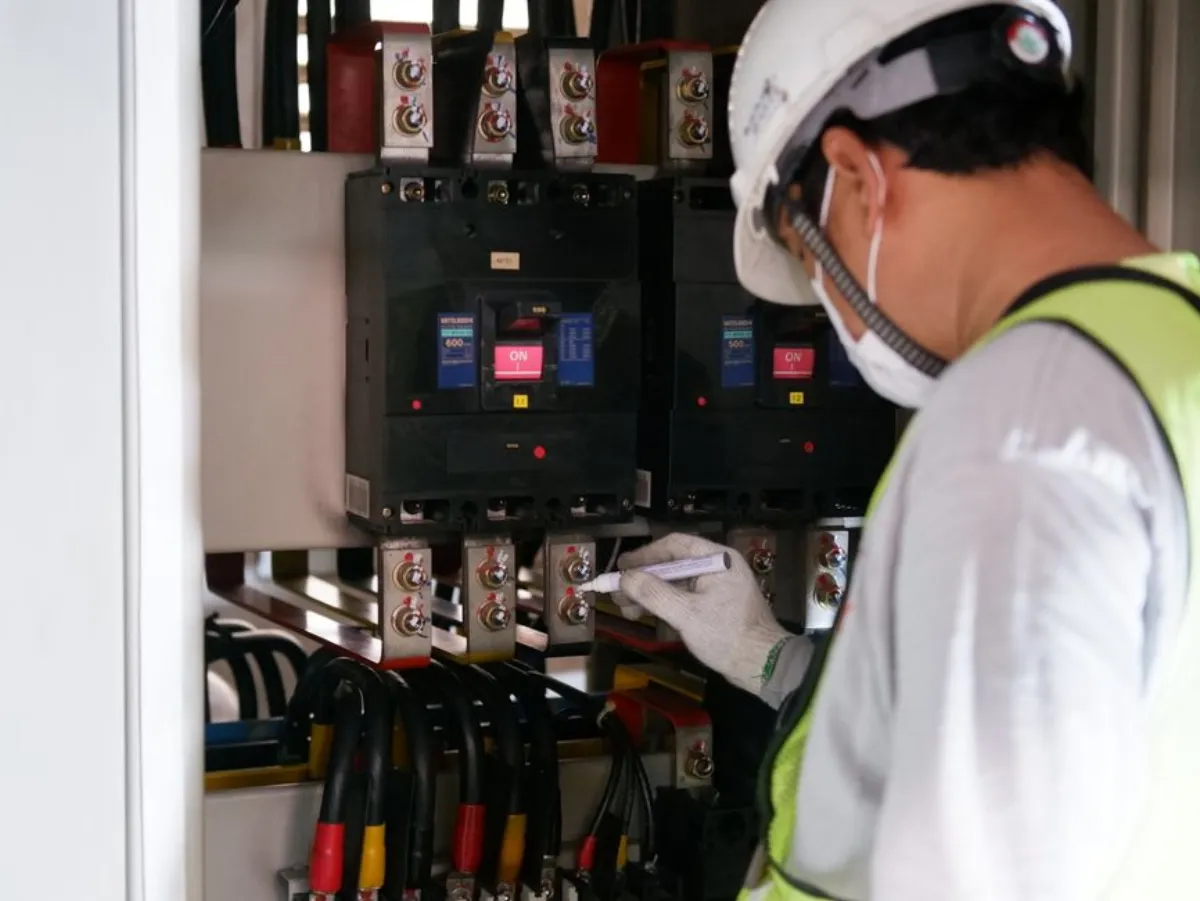
Five Reasons a Commercial Electrical Inspection Fails the First Time
Five common reasons a commercial electrical inspection fails the first time, plus the documentation and testing disciplines that keep your project on schedule.
Read article
Copper vs. Fiber for Your Building Backbone: A Decision Guide
Copper vs fiber backbone: how facility and IT managers choose by distance, bandwidth, environment, and future-proofing — backed by certified testing.
Read article
What Actually Drives the Cost of a Commercial Electrical Project
A buyer's guide to the variables behind commercial electrical project cost, so facility managers and GCs can scope, budget, and compare bids fairly.
Read article