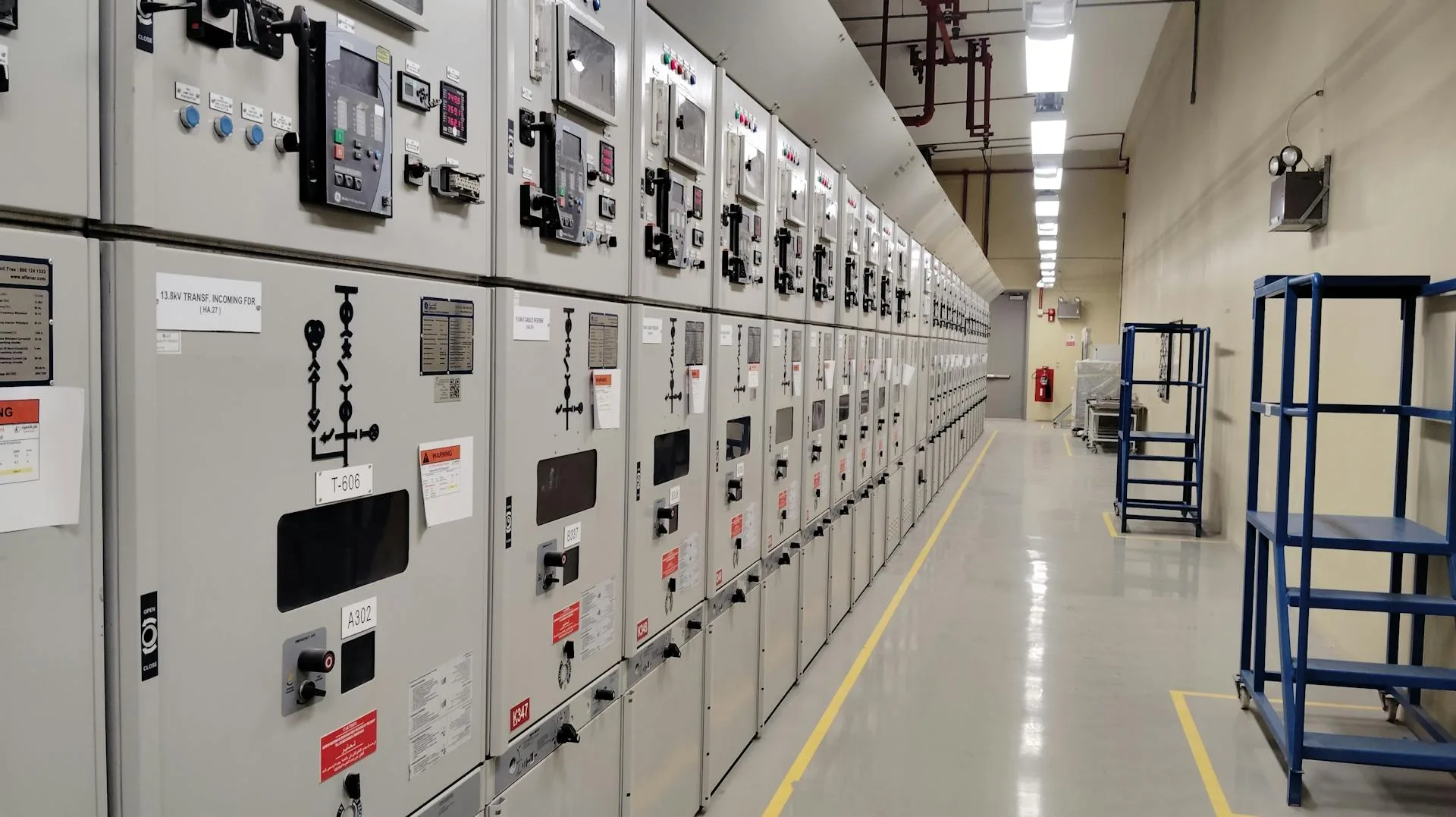
Copper vs. Fiber for Your Building Backbone: A Decision Guide
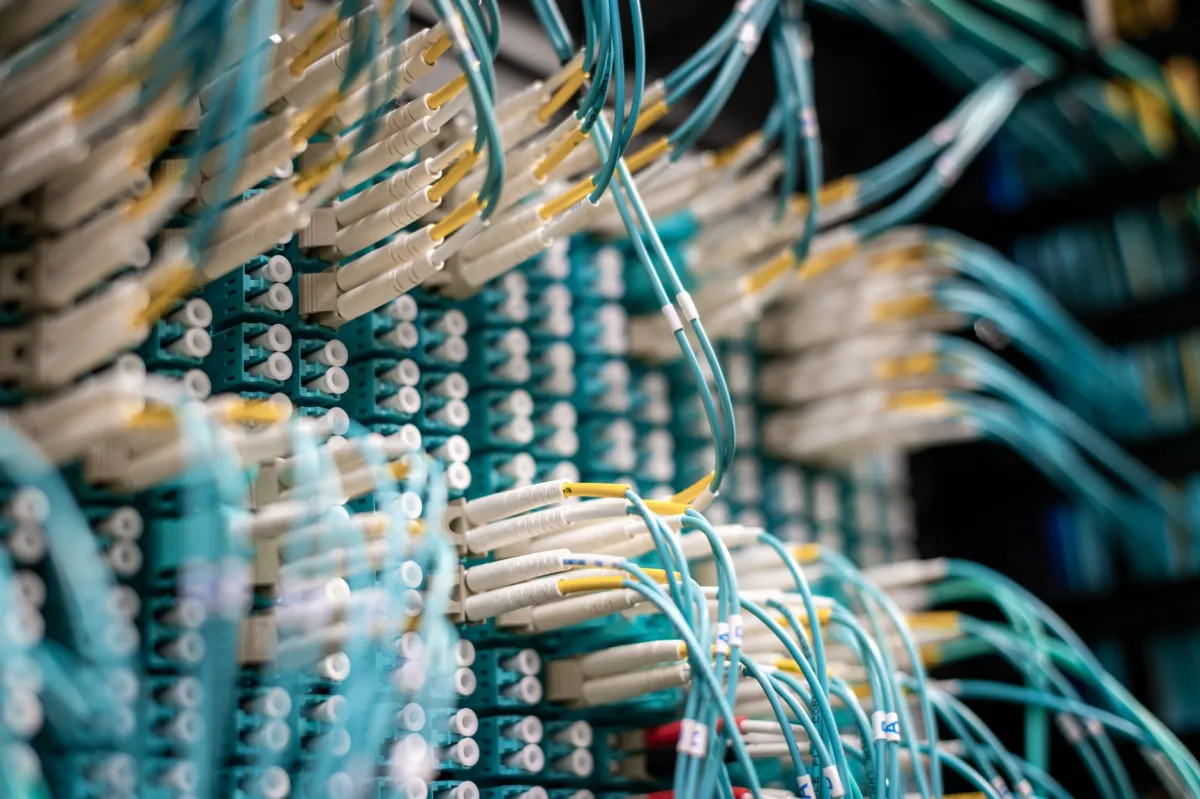
When you are planning the cabling that ties a commercial building together, the backbone is the decision that everything else depends on. Choosing between copper and fiber for that backbone — and for the horizontal runs that reach each work area — shapes the bandwidth your facility can deliver, the distances you can span, and how long the infrastructure stays relevant before it needs to be touched again. This guide walks through how a facility manager, IT director, or project manager should weigh copper against fiber, and why the certified testing behind either choice is what actually protects the investment.
Backbone vs. horizontal: two different jobs
Structured cabling is built in layers, and the two that matter most for this decision serve very different roles. The backbone — sometimes called the riser or vertical cabling — connects the main equipment room to telecommunications rooms across floors and buildings. It carries aggregated traffic, so it has to move a lot of data over longer distances with as little signal loss as possible. The horizontal cabling is the last leg: the runs from each telecommunications room out to the wall jacks, workstations, access points, and devices in the occupied space.
Because these two layers carry different loads over different distances, they often call for different media. It is common to specify fiber for the backbone and copper for the horizontal, but the right mix depends on your building, your bandwidth roadmap, and the environment the cable lives in. The point is to make the decision deliberately for each layer rather than defaulting to one material everywhere.
Distance and bandwidth: where the limits actually fall
Distance is the cleanest dividing line between the two media. Balanced twisted-pair copper — the Cat6 and Cat6A categories most commercial projects use today — is engineered around a 100-meter channel limit. Inside that distance copper is a proven, well-understood performer. Cat6A in particular supports 10 Gigabit Ethernet across that full reach, which covers the vast majority of horizontal runs in an office, medical, or light-industrial setting.
Once you need to span beyond that 100-meter envelope, copper stops being the practical answer and fiber takes over. Fiber carries signals as light rather than electrical current, so it sustains far higher bandwidth over distances that copper cannot approach. Multimode fiber is the typical choice for backbone runs inside a building or across a campus, delivering high throughput over the hundreds of meters those runs require. Single-mode fiber is built for the longest reaches — between buildings or across a large site — and carries the most headroom for bandwidth growth. When the backbone has to aggregate traffic from many floors or connect separate structures, fiber is usually the only medium that meets the distance and capacity requirements at the same time.
Future-proofing: planning past today's needs
Cabling is one of the longest-lived systems in a building, and replacing it after the walls and ceilings are closed is disruptive and costly. That makes future-proofing a central part of the material decision. The question is not only what your network needs now, but what it will need across the life of the infrastructure.
Fiber holds a clear advantage on headroom. The same fiber strands installed today can often carry dramatically higher speeds later by upgrading only the electronics on each end, leaving the physical plant in place. For a backbone that has to outlast several generations of network hardware, that capacity for growth is decisive. On the horizontal side, specifying Cat6A rather than a lower category builds in margin for higher-speed devices and denser wireless coverage without re-pulling cable. The right move is to match the medium to the realistic service life of each layer rather than to today's minimum.
Environment: noise, distance, and pathways
Where the cable physically runs should weigh heavily on the decision. Copper conducts electrical signals, which means it is susceptible to electromagnetic interference from motors, ballasts, large electrical equipment, and parallel power runs. In an environment with significant electrical noise — many industrial and critical-applications spaces qualify — fiber is immune to that interference because it carries light, not current. Fiber also introduces no electrical path between buildings, which removes a grounding and surge concern that copper backbone runs between separate structures otherwise raise.
Copper still earns its place in the horizontal layer for a practical reason: it can deliver power to devices over the same cable through Power over Ethernet, which fiber cannot. Access points, cameras, phones, and many sensors rely on that combined data-and-power capability. So the environment question usually resolves the same way the distance question does — fiber for the long, noise-prone, building-to-building backbone, and copper for the powered devices at the edge.
Why certified testing with printed reports matters
Specifying the right medium is only half the job. The other half is proving the installed plant performs to standard, and that proof is what protects your investment. Every copper and fiber link should be tested and certified against the applicable category or fiber standard, not simply checked for continuity. Certification confirms each link meets the performance parameters it was designed for — insertion loss, length, and the other measurements that determine whether a run will actually carry the speeds you are paying for.
Printed test reports turn that work into documentation you can hold. They give you a per-link record of what was installed and how it performed at acceptance, which matters for warranty coverage, for troubleshooting later, and for handing a verified system to your operations team. When the network underperforms down the road, certified results let you separate a cabling problem from an electronics or configuration problem quickly, instead of guessing. For critical applications, that documented baseline is not a formality — it is the evidence that the infrastructure was built right the first time, on time and within budget.
Making the call for your building
For most commercial projects the answer is not copper or fiber but the right combination: fiber where distance, bandwidth, noise immunity, and future growth point to it — typically the backbone — and Cat6 or Cat6A copper where powered devices and runs inside the 100-meter limit make it the practical choice. Getting that mix right depends on a design that accounts for your building's pathways, your bandwidth roadmap, and the environment each run passes through, then backs the installation with certified testing and printed reports.
If you are scoping a backbone upgrade, a new build, or a tenant improvement and want a design-build partner who handles the full data network and fiber installation with documented, certified results, learn more about our voice, data, and fiber services or reach out to start the conversation about your project.
Quick answers.
Should I use copper or fiber for my building's backbone?
For most commercial buildings, fiber is the right backbone choice because it spans well beyond copper's 100-meter limit, carries far higher bandwidth, and is immune to electromagnetic interference. Multimode fiber typically handles in-building and campus backbone runs, while single-mode fiber covers the longest building-to-building distances. Copper still serves the horizontal layer out to powered devices.
What is the distance limit for copper cabling?
Balanced twisted-pair copper such as Cat6 and Cat6A is engineered around a 100-meter channel limit. Within that distance Cat6A reliably supports 10 Gigabit Ethernet. Once a run needs to exceed 100 meters, fiber becomes the practical medium for both distance and bandwidth.
What is the difference between backbone and horizontal cabling?
Backbone (or riser) cabling connects the main equipment room to telecommunications rooms across floors and buildings, carrying aggregated traffic over longer distances. Horizontal cabling is the final leg from each telecommunications room to wall jacks, workstations, and devices. They carry different loads over different distances, so they often call for different media.
Why does certified cable testing with printed reports matter?
Certification proves each installed link meets the performance standard it was designed for, including insertion loss and length, rather than just confirming continuity. Printed test reports give you a per-link record for warranty coverage, faster troubleshooting, and a verified handoff to operations, so you can quickly tell a cabling problem from an electronics issue later.
Can fiber deliver power to devices like copper does?
No. Copper can carry both data and power to devices through Power over Ethernet, which is why it remains the right choice for horizontal runs to access points, cameras, and phones. Fiber carries light rather than electrical current, so it cannot power devices but excels at long, high-bandwidth, noise-immune backbone runs.
Powering the South Bay: What Commercial Electrical Work in the LAX Corridor and Orange County Actually Demands
What commercial electrical work in the LAX corridor and Orange County demands, and why a union South Bay contractor who knows the local AHJs is an advantage.
Read article
Five Reasons a Commercial Electrical Inspection Fails the First Time
Five common reasons a commercial electrical inspection fails the first time, plus the documentation and testing disciplines that keep your project on schedule.
Read article
What Actually Drives the Cost of a Commercial Electrical Project
A buyer's guide to the variables behind commercial electrical project cost, so facility managers and GCs can scope, budget, and compare bids fairly.
Read article