Five Reasons a Commercial Electrical Inspection Fails the First Time
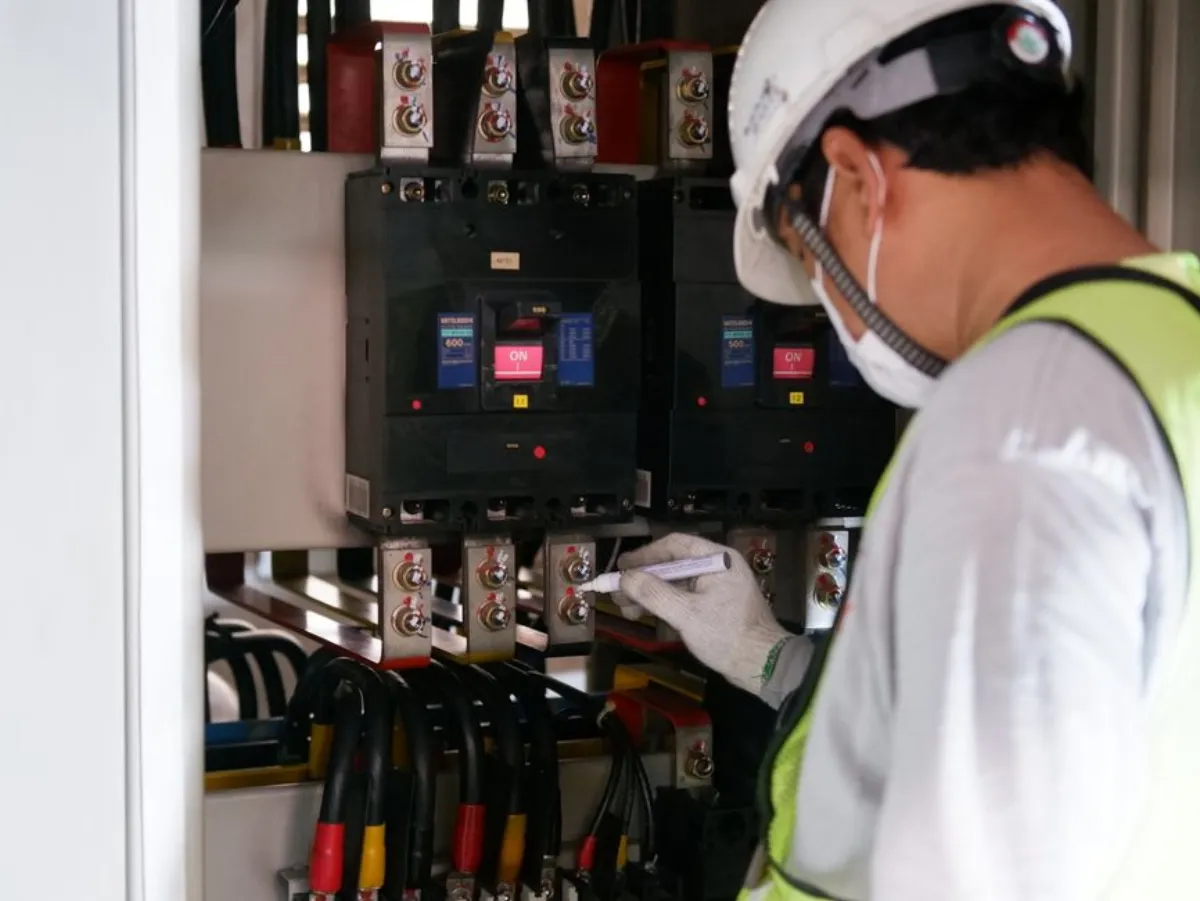
A failed commercial electrical inspection rarely comes down to bad workmanship. More often it traces back to documentation gaps, incomplete acceptance testing, or a scope that drifted from the permitted drawings. For general contractors and facility managers working to a tight occupancy date, a first-time pass is the difference between staying on schedule and absorbing a re-inspection cycle that stalls every downstream trade.
Here are five of the most common reasons a commercial electrical inspection fails on the first visit, and the disciplines that keep them off your punch list.
1. Missing or Incomplete As-Built Documentation
Inspectors do not just look at the installation; they verify that the installation matches what was approved. When as-builts, panel schedules, and load calculations are missing, out of date, or inconsistent with field conditions, the inspector has no way to confirm compliance, and the result is a correction notice before a single conductor is examined.
This is the failure mode that catches even well-executed jobs. A change order moves a panel, a circuit gets repurposed during a tenant improvement, and the paperwork never catches up. On critical-applications projects, where data centers, healthcare facilities, and DoD work demand a clean paper trail, documentation is not an afterthought; it is part of the deliverable. Disciplined drawing control and current panel schedules at the time of inspection remove an entire category of avoidable corrections. Our electrical contracting work is built around documentation that holds up the first time, because in our experience the inspection has to pass the first time.
2. Title 24 Acceptance Testing Not Completed or Failed
In California, Title 24 acceptance testing is one of the most frequent sticking points on commercial projects. Lighting controls, occupancy sensors, automatic daylighting, and demand-response systems all have to be functionally tested and certified, and the certification has to be performed by a qualified Acceptance Test Technician. When that testing is skipped, scheduled too late, or fails because the controls were never properly commissioned, the project cannot close out.
The trap is treating acceptance testing as a final-hour formality. Controls that were programmed incorrectly, sensors aimed at the wrong zones, or sequences that were never verified all surface during testing, and by then the schedule pressure is severe. Building the acceptance test into the commissioning plan, rather than bolting it on at the end, is what keeps Title 24 from becoming a re-inspection. As a Title 24 Acceptance Test certified contractor, we plan for this requirement from the start rather than discovering it at the finish line.
3. Improper Labeling and Working Clearances
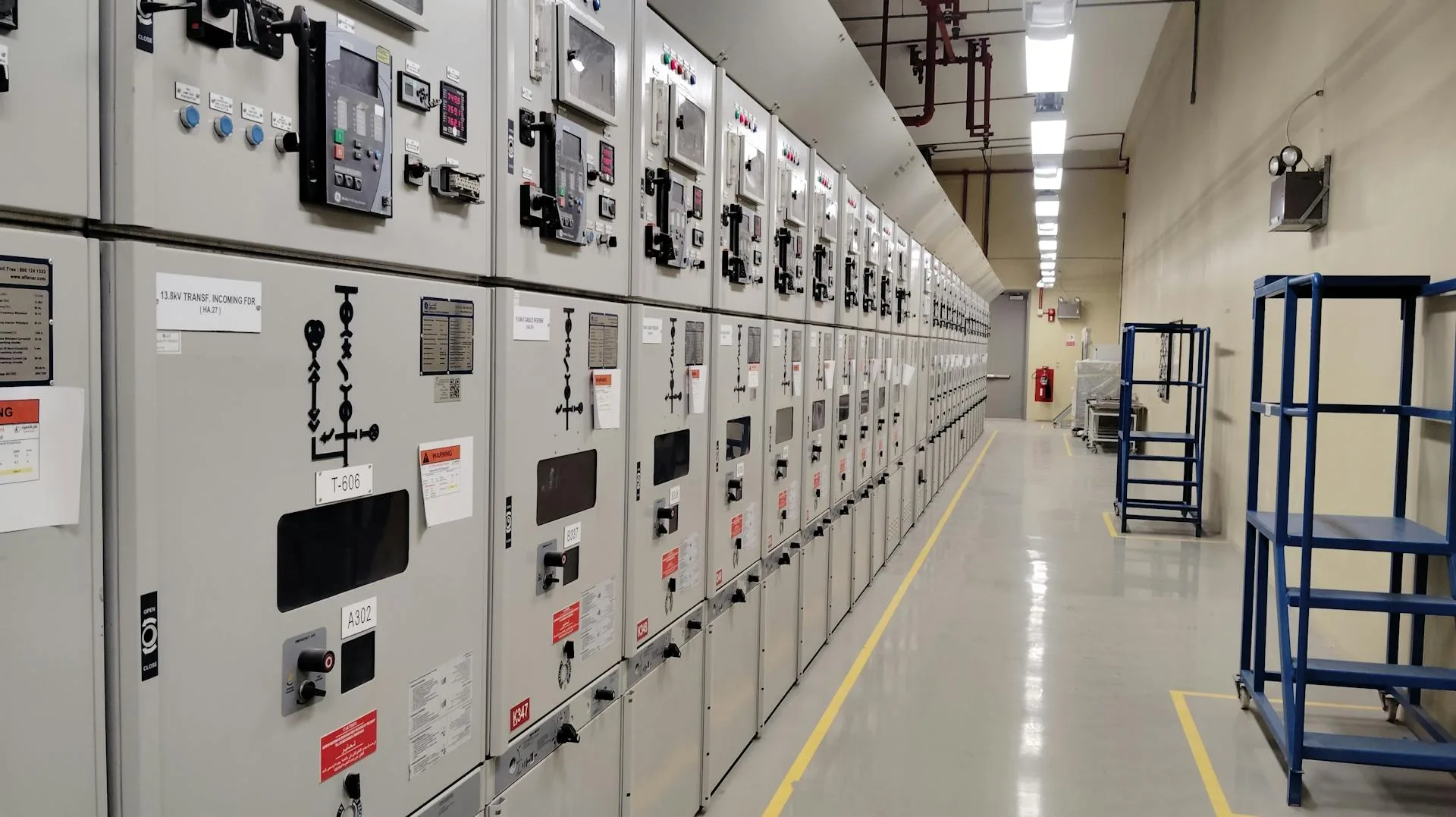
Code compliance is not only about how conductors are run; it is about whether the installed equipment can be safely accessed, identified, and serviced. Inspectors routinely write up missing or inaccurate panel directories, unlabeled disconnects, absent arc-flash and equipment markings, and working clearances that have been encroached by other trades. A panel that is electrically perfect still fails if there is not adequate space in front of it or if a circuit cannot be identified.
These are coordination failures as much as electrical ones. Ductwork, piping, and storage frequently creep into the dedicated electrical space after rough-in, and labeling gets deferred until it is forgotten. Verifying clearances during coordination, protecting that space through construction, and completing accurate labeling before the inspector arrives keeps a clean, serviceable installation that reflects the craftsmanship behind it.
4. Grounding and Bonding Deficiencies
Grounding and bonding problems are among the most consequential findings an inspector can make, because they go directly to life safety and equipment protection. Missing equipment grounding conductors, improperly bonded raceways, undersized grounding electrode conductors, and questionable connections at service equipment are all common correction items, and on sensitive environments like data centers, telecommunications, and aerospace facilities the tolerance for grounding faults is essentially zero.
The challenge is that grounding deficiencies are often invisible until they are tested or traced. A bond that looks complete may not be continuous; a ground that reads acceptable at one point may be compromised elsewhere in the system. Methodical verification by certified journeymen, who treat grounding and bonding as a system rather than a checklist item, is what prevents these findings from turning a near-complete project into a reopened wall.
5. Fire Life Safety Device and Wiring Problems
On most commercial buildings the electrical inspection and the fire life safety inspection are intertwined, and fire alarm issues are a leading cause of failed close-outs. Incorrect device placement, wiring that does not meet survivability requirements, supervision faults, improper integration with the building's other systems, and incomplete testing documentation all trigger corrections, and because life safety systems gate occupancy, these failures carry outsized schedule consequences.
Fire alarm work demands platform-specific expertise; a Siemens panel does not behave like a Notifier or an Edwards system, and preaction, Ansul, and KIDDIE suppression interfaces each have their own requirements. Our fire life safety team is certified across these platforms, which means devices are placed correctly, circuits are wired to survivability standards, and the testing documentation is complete and organized before the inspector walks the building. That combination of certified installation and clean documentation is what carries a fire life safety inspection on the first attempt.
Building Toward a First-Time Pass
The thread running through every one of these failure modes is the same: a first-time pass is engineered long before the inspector arrives. It comes from documentation kept current, acceptance testing planned into the schedule, clearances protected through construction, grounding verified as a system, and fire life safety executed by certified technicians. Each of those is a discipline, not a stroke of luck, and together they are why an installation can be delivered on time and within budget without a re-inspection cycle eating the float out of your schedule.
If you are planning a commercial project in Los Angeles or Orange County and want an electrical partner whose work is built to pass the first time, reach out to start the conversation.
Quick answers.
What is the most common reason a commercial electrical inspection fails?
Documentation gaps are among the most common. When as-builts, panel schedules, and load calculations are missing or do not match field conditions, the inspector cannot verify compliance and issues a correction notice before examining the installation itself.
Why does Title 24 acceptance testing cause inspection failures in California?
Title 24 requires lighting controls, occupancy sensors, daylighting, and demand-response systems to be functionally tested and certified by a qualified Acceptance Test Technician. When testing is skipped, scheduled too late, or fails because controls were never properly commissioned, the project cannot close out.
How do grounding and bonding issues affect a commercial inspection?
Missing equipment grounding conductors, improperly bonded raceways, and undersized grounding electrode conductors are frequent correction items because they relate directly to life safety. They are often invisible until tested or traced, so methodical verification by certified journeymen is essential.
Why are fire alarm problems a leading cause of failed close-outs?
Commercial electrical and fire life safety inspections are intertwined, and life safety systems gate occupancy. Incorrect device placement, wiring that does not meet survivability requirements, supervision faults, and incomplete testing documentation all trigger corrections with outsized schedule impact.
How can a general contractor improve the odds of a first-time pass?
A first-time pass is engineered before the inspector arrives: keep documentation current, plan acceptance testing into the schedule, protect working clearances through construction, verify grounding as a system, and have fire life safety executed by platform-certified technicians.
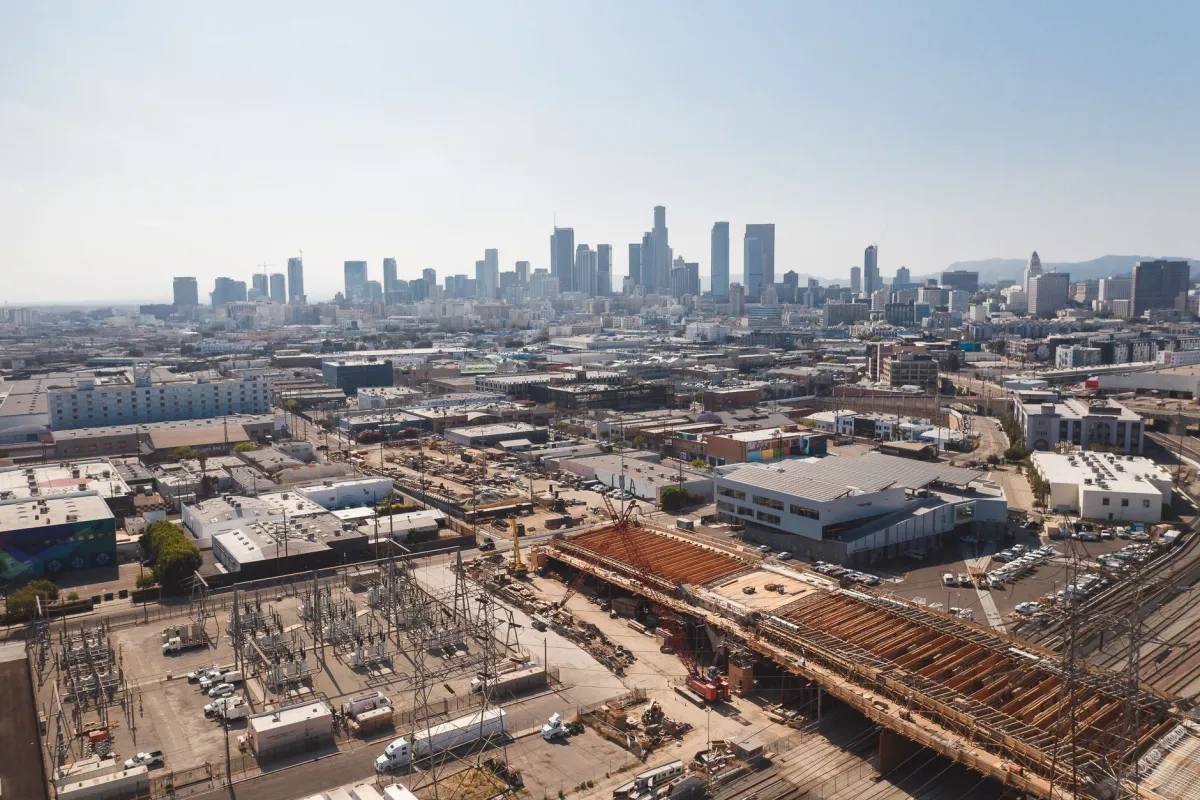
Powering the South Bay: What Commercial Electrical Work in the LAX Corridor and Orange County Actually Demands
What commercial electrical work in the LAX corridor and Orange County demands, and why a union South Bay contractor who knows the local AHJs is an advantage.
Read article
Copper vs. Fiber for Your Building Backbone: A Decision Guide
Copper vs fiber backbone: how facility and IT managers choose by distance, bandwidth, environment, and future-proofing — backed by certified testing.
Read article
What Actually Drives the Cost of a Commercial Electrical Project
A buyer's guide to the variables behind commercial electrical project cost, so facility managers and GCs can scope, budget, and compare bids fairly.
Read article