What Actually Drives the Cost of a Commercial Electrical Project
When a commercial electrical project lands on your desk, the first question is almost always the same: what is this going to cost, and why does one bid differ so much from the next? The honest answer is that price follows scope, and scope on a commercial job is shaped by far more than square footage. Understanding the variables behind a commercial electrical project cost lets you scope intelligently, build a defensible budget, and compare bids on equal footing rather than by bottom-line number alone.
Service Size, Voltage, and Distribution
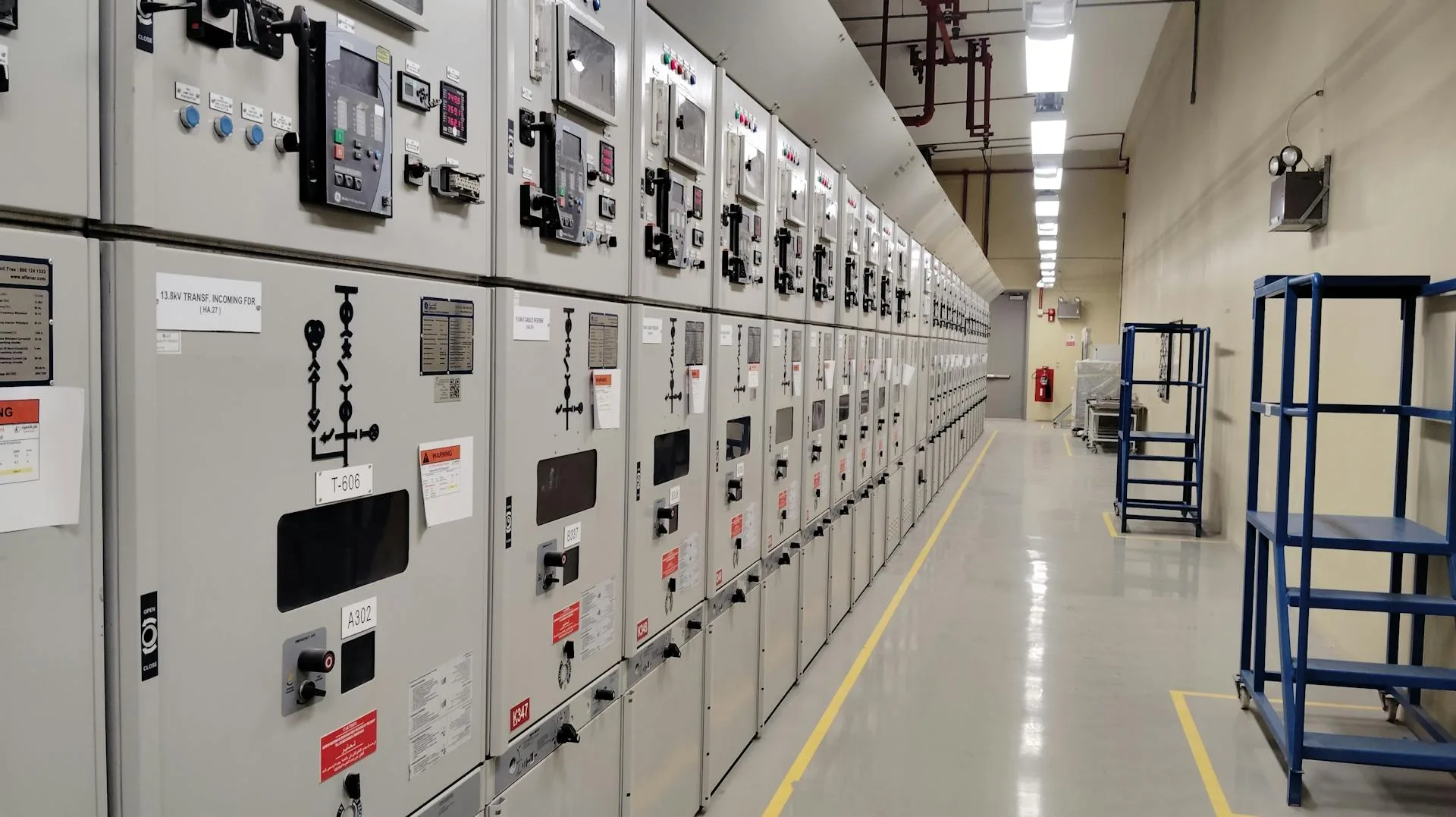
The backbone of any commercial electrical project is the service and distribution system, and it is one of the largest cost drivers. A single-phase tenant suite and a three-phase facility with switchgear, transformers, and multiple distribution panels live in entirely different scope categories. As the service size grows, so does the conductor sizing, the gear ratings, the grounding system, and the labor to install and terminate it all.
Voltage matters just as much as amperage. Medium-voltage work, dedicated equipment circuits, and redundant feeds for critical loads each add engineering and material weight that a basic lighting-and-receptacle scope simply does not carry. When you compare bids, confirm every contractor priced the same service capacity and distribution topology. A lower number often means a smaller assumed scope, not a better deal.
Occupancy Type and the Code Requirements That Follow
A data center, a hospital wing, an aerospace clean process area, and a retail buildout are governed by different sections of the code, and those differences flow straight into cost. Critical and life-safety occupancies frequently require emergency power, redundancy, selective coordination, and documentation that ordinary commercial space does not. Healthcare and DoD environments add their own layered standards on top of the base electrical code.
California compounds this with energy and testing mandates. Title 24 compliance drives lighting controls, sensors, and metering, while acceptance testing requires those systems be commissioned and certified before a project closes out. E-MON D-MON submetering, where specified, adds devices and verification. None of this is optional, and a credible bid accounts for it from the start rather than surfacing it as a change order later.
Existing Conditions and the Quality of Documentation
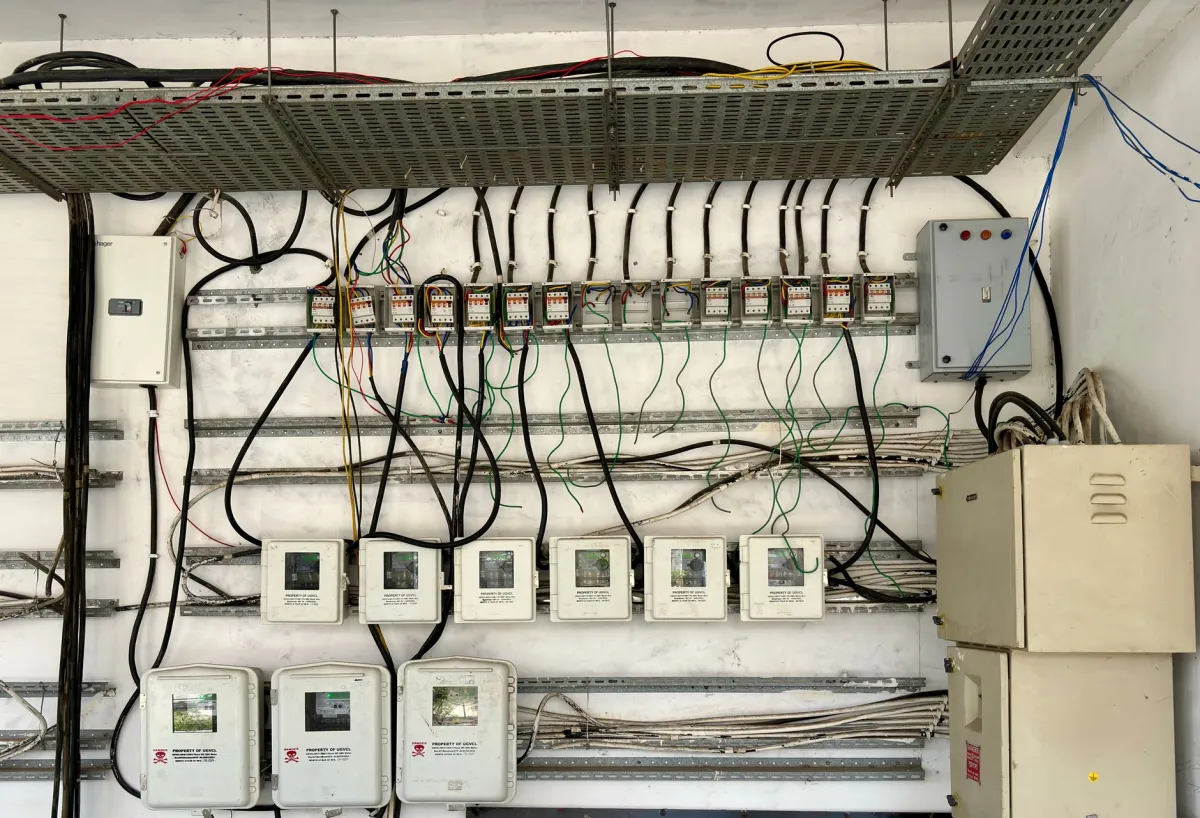
New construction is, in many ways, the predictable case. Tenant improvements and retrofits inside an occupied or aging building are where cost variability lives. Unknown conditions behind walls, undersized existing service, outdated panels, and missing as-built drawings all force discovery work and rework that a greenfield project avoids.
This is also where documentation quality pays for itself. A contractor who walks the site carefully, verifies existing conditions, and produces clean drawings and submittals reduces the surprises that inflate a budget mid-stream. Thorough documentation is not overhead; it is the mechanism that keeps a project on time and within budget and helps it pass inspection the first time instead of cycling through corrections.
Schedule, Phasing, and After-Hours Work
How and when the work happens can move a budget as much as what the work is. An occupied facility that must stay operational requires phasing, temporary power, and careful sequencing around tenants and operations. Energized work, planned outages, and tie-ins to live systems demand added planning and safety measures.
Schedule compression has a similar effect. Night and weekend work to avoid disrupting a business, coordinating around other trades, and meeting an aggressive turnover date all change the labor profile of a project. When you set the schedule, you are also setting part of the budget, and the most accurate bids will reflect the access windows and milestones you actually require.
Materials, Lead Times, and Specified Equipment
Gear, conductor, and specialty equipment carry their own cost and timing realities. Switchgear, transformers, and large distribution equipment can sit on long lead times, and a project schedule built around late-arriving gear either absorbs the delay or pays to expedite. Owner-specified manufacturers, particular control systems, or fiber and low-voltage infrastructure tied into the electrical contracting scope all influence both price and procurement timing.
Fire life safety and voice, data, and fiber systems frequently ride alongside the power scope. Integrating them under coordinated planning is more efficient than treating them as disconnected afterthoughts, and it is worth confirming whether competing bids include or exclude these systems before you compare totals.
Labor: Skill, Standards, and Prevailing Wage
Labor is the line item where the difference between a clean install and a costly one is decided. Certified journeymen working to a high standard cost more per hour than unskilled labor, and they are worth it on critical applications where uptime, code compliance, and inspection results are non-negotiable. Union-signatory contractors working under IBEW agreements bring a trained, accountable workforce, and many public, institutional, and prevailing-wage projects require that labor standard by law.
Inspection rigor closes the loop. A project scoped and built to pass inspection the first time avoids the schedule slippage and rework cost of failed inspections. That discipline rarely shows up as a line item on a bid, but it is one of the clearest separators between a number that holds and a number that drifts.
Comparing Bids Fairly
The takeaway for any facility manager, general contractor, or project lead is that a commercial electrical project cost is the sum of decisions about service size, occupancy, code, existing conditions, schedule, materials, and labor. When two bids differ, the gap is almost always an assumption gap, and the lower number is frequently the one that left something out. Normalize the scope, then compare.
If you are scoping a commercial, critical-application, or tenant-improvement project across Los Angeles or Orange County, our team can walk the site, define the variables that apply to your facility, and build a transparent estimate you can stand behind. Reach out to start the conversation.
Quick answers.
What are the biggest cost drivers on a commercial electrical project?
Service size and voltage, occupancy type and the code requirements it triggers, existing conditions, schedule and phasing, materials lead times, and labor standards. Each shapes scope, and scope drives the budget more than square footage alone.
Why do commercial electrical bids vary so much?
Most gaps between bids are assumption gaps. A lower number often reflects a smaller assumed scope, an excluded system, or skipped code and testing requirements. Normalize the scope across bids before comparing the bottom-line totals.
How do Title 24 and acceptance testing affect cost?
California's Title 24 drives lighting controls, sensors, and metering, and acceptance testing requires those systems be commissioned and certified before closeout. These are mandatory and should be priced from the start, not added later as change orders.
Does after-hours or phased work increase the cost?
Yes. Keeping an occupied facility operational requires phasing, temporary power, and careful sequencing, while night and weekend work and compressed schedules change the labor profile. The access windows and milestones you set become part of the budget.
Why does union and certified-journeyman labor matter for the budget?
Certified journeymen working to a high standard cost more per hour but deliver uptime, code compliance, and first-time inspection results on critical applications. Many public, institutional, and prevailing-wage projects also require that labor standard by law.
Powering the South Bay: What Commercial Electrical Work in the LAX Corridor and Orange County Actually Demands
What commercial electrical work in the LAX corridor and Orange County demands, and why a union South Bay contractor who knows the local AHJs is an advantage.
Read article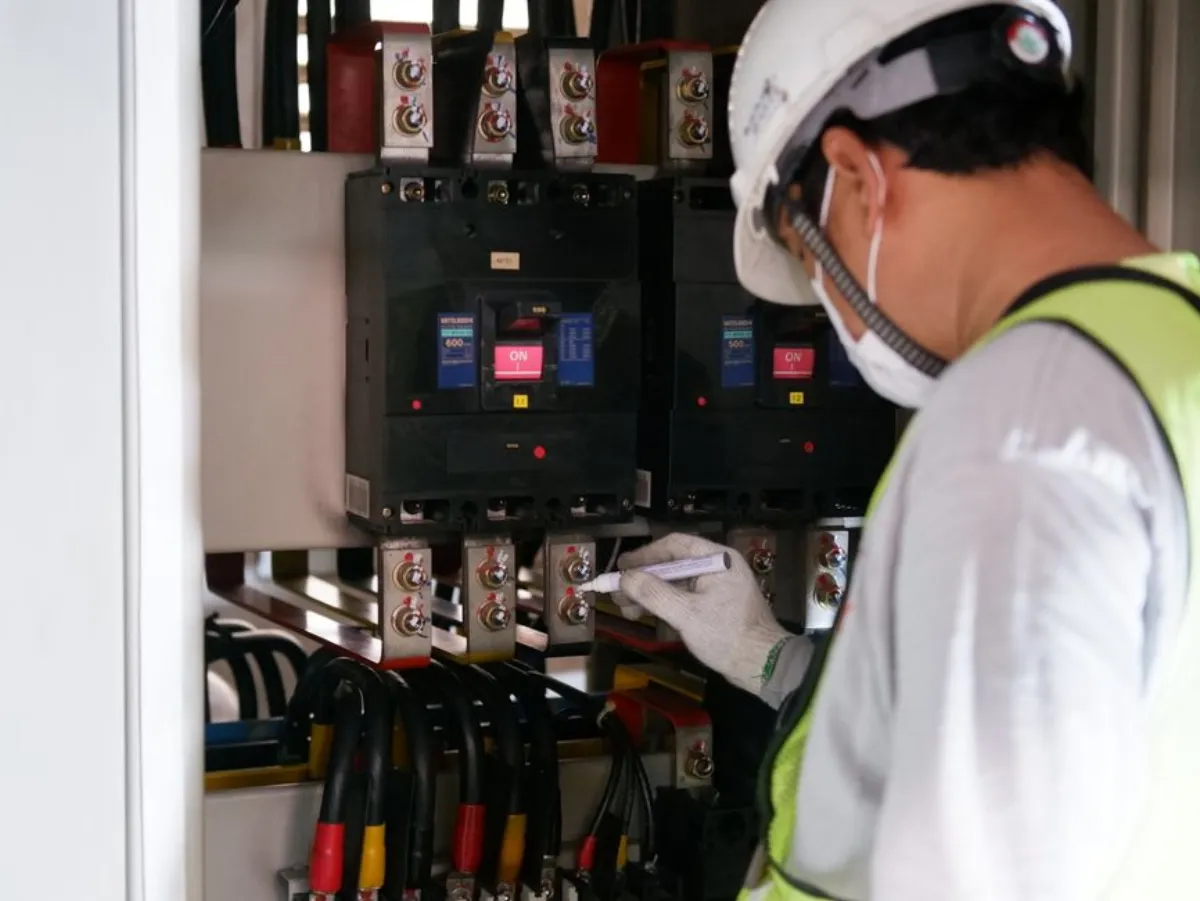
Five Reasons a Commercial Electrical Inspection Fails the First Time
Five common reasons a commercial electrical inspection fails the first time, plus the documentation and testing disciplines that keep your project on schedule.
Read article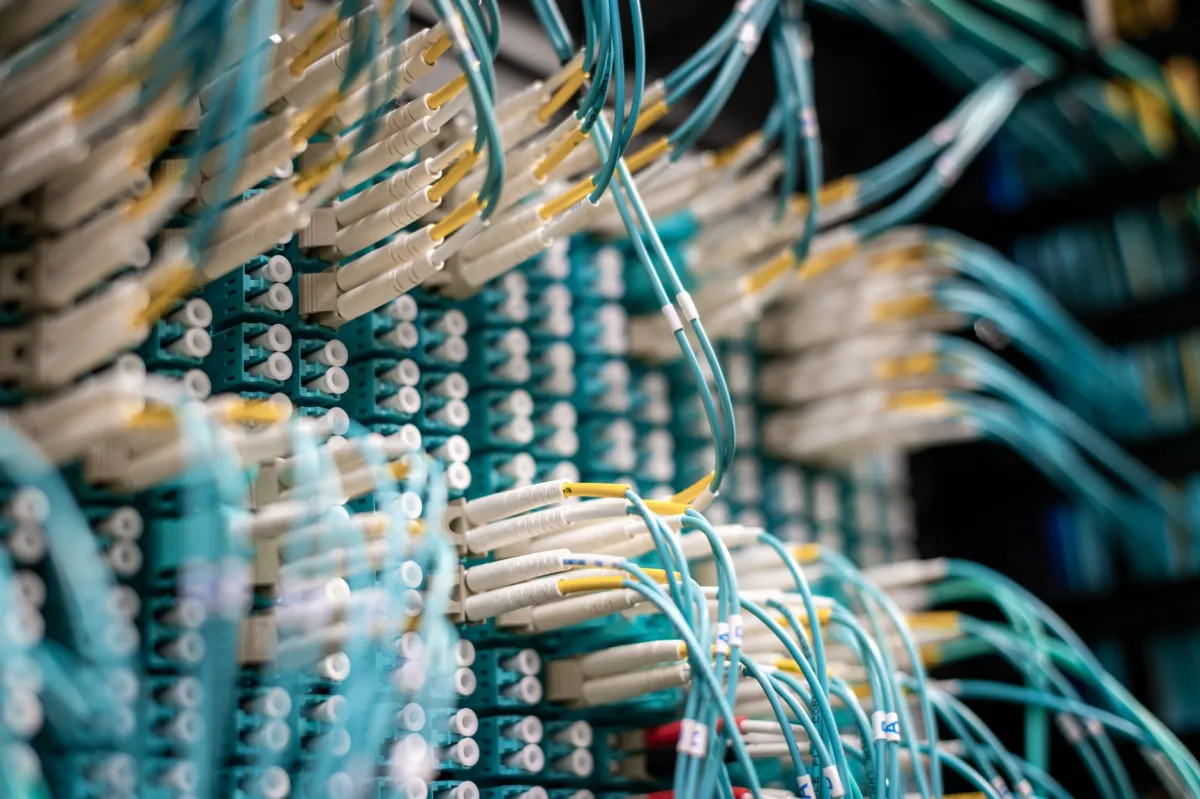
Copper vs. Fiber for Your Building Backbone: A Decision Guide
Copper vs fiber backbone: how facility and IT managers choose by distance, bandwidth, environment, and future-proofing — backed by certified testing.
Read article