How a Commercial Lighting Retrofit Gets Done Without Shutting You Down
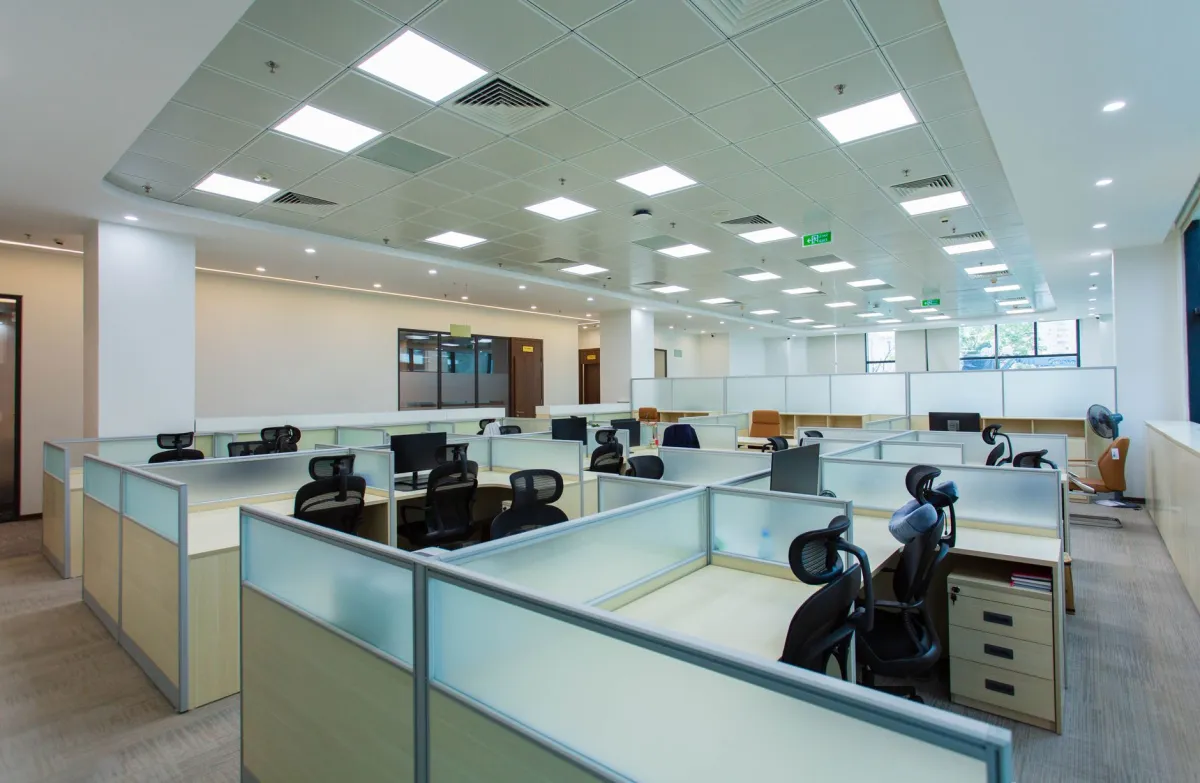
A commercial lighting retrofit promises lower energy load, better light quality, and modern controls. The hard part is delivering all of that inside a building that never stops running. For a data center, a hospital wing, an aerospace floor, or an occupied office tower, the project plan matters as much as the fixtures, because the real measure of success is that operations never felt the work happen.
Why an Occupied Building Changes Everything
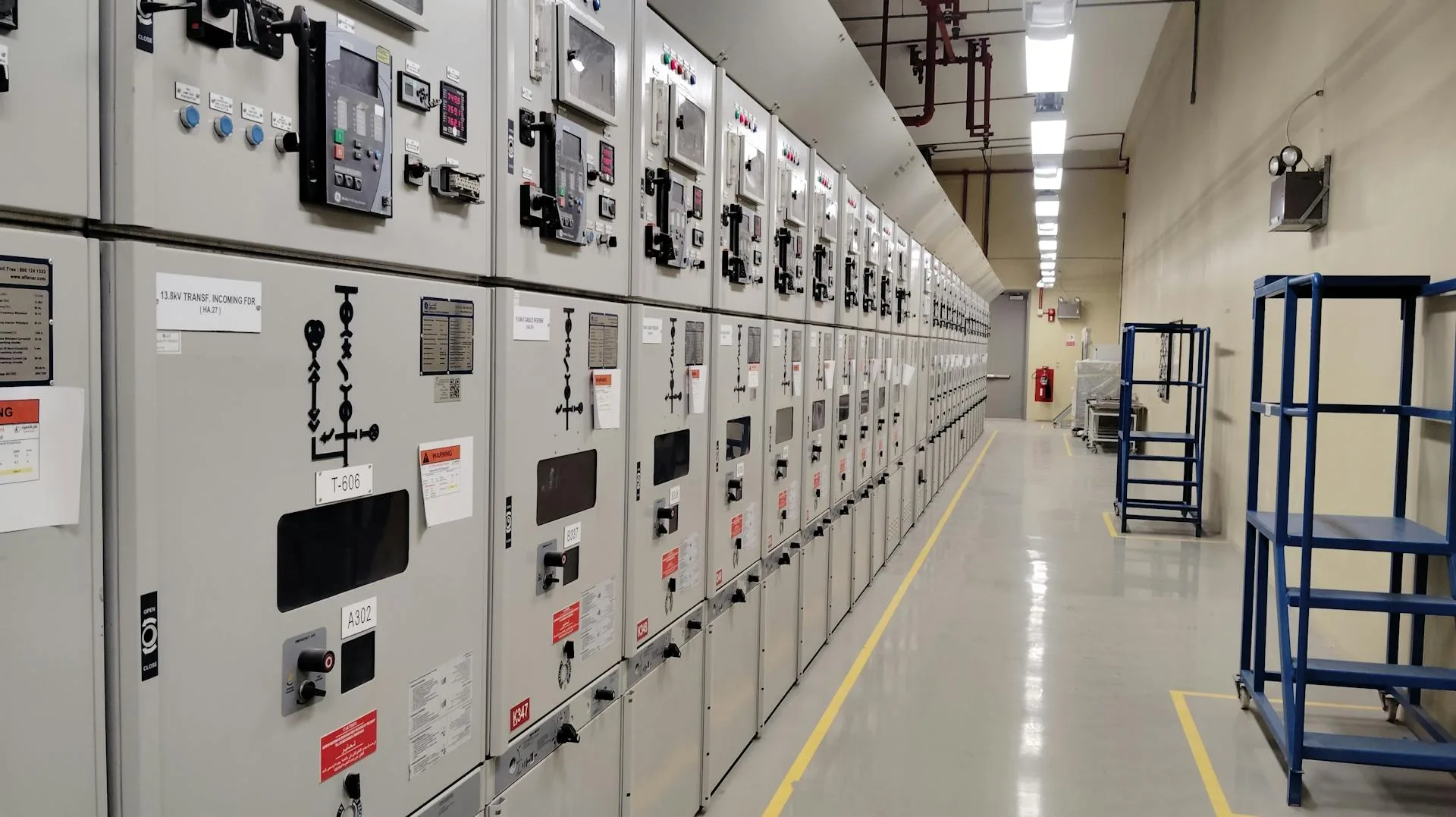
Swapping fixtures in an empty shell is straightforward. Doing it in a live facility is a different discipline. Tenants are working, equipment is energized, and life-safety systems must stay online the entire time. A circuit that can be casually de-energized in new construction may feed a server rack, a clean room, or an emergency egress path in an occupied building.
That reality drives every decision that follows. Before a single fixture comes down, the work has to be mapped against how the building actually operates: which areas hold sensitive equipment, when occupancy peaks, where the critical circuits run, and which spaces can never go dark. A commercial electrical contractor who works in critical applications treats this survey as the foundation of the job, not a formality. The goal is an execution plan where uptime, code compliance, and clean documentation are designed in from the start.
Phasing Around Occupancy
The core technique for keeping a building running is phasing. Instead of treating the retrofit as one large event, the work is broken into zones and sequenced so that only a small, contained area is ever affected at once. Crews complete one zone, restore it to full service, verify it, and move to the next.
Phasing depends on a few things being true at the same time:
- Circuit-level knowledge of what each panel and feeder actually serves, so isolation never reaches beyond the intended zone.
- Temporary lighting staged in advance so a work area is never below the light levels required for safe occupancy or egress.
- Clear boundaries and signage so building occupants understand what is active and what is being worked on.
- A defined restoration checkpoint at the end of each zone before the crew advances.
Sequencing this way keeps the disruption footprint small and predictable. Facility managers can communicate accurate expectations to tenants, and the project moves through the building in a controlled wave rather than a single shutdown.
After-Hours and Zoned Work
Some spaces simply cannot be touched during business hours. Trading floors, call centers, telecommunications rooms, and patient-care areas all have windows where work is either restricted or impossible. The answer is matching the schedule to the space: after-hours and weekend shifts for the areas that must stay clear during the day, daytime work for back-of-house zones where a contained interruption is acceptable.
Veteran crews make this practical. A trained, certified journeyman electrician can isolate a circuit, complete the change, and re-energize cleanly within a tight window without leaving loose ends behind for the next morning. Coordinating those windows with building management, security, and other trades on site is part of the craft, and it is the difference between a retrofit that occupants barely notice and one that becomes a recurring complaint. For facilities in the El Segundo and South Bay area, that coordination often spans multiple tenants and overlapping building rules, which makes disciplined scheduling essential.
Controls, Sensors, and Title 24
A modern retrofit is rarely just a fixture swap. Current energy code in California expects lighting controls to do real work: occupancy and vacancy sensors, daylight harvesting near windows, multi-level switching, and automatic shutoff. Integrating those controls into an occupied space takes planning, because sensors have to be commissioned and tuned without leaving areas dark or triggering nuisance behavior while people are working.
This is where Title 24 moves from a design requirement to a field discipline. The installation must be Title 24 compliant, and the controls must pass Title 24 acceptance testing performed by a certified technician. Acceptance testing verifies that occupancy sensors, daylighting controls, and shutoff functions actually perform as the code intends, not just that the hardware is mounted. Where tenant submetering is part of the scope, E-MON D-MON metering can be installed and certified so energy use is tracked accurately by area. Doing this work correctly the first time avoids re-inspections that would otherwise mean returning to occupied spaces a second time.
Documentation and Inspection That Pass the First Time
In critical facilities, the paperwork is part of the deliverable. Inspectors, facility teams, and future service crews all rely on accurate records of what was installed, where circuits land, and how controls were configured. Clean documentation includes updated panel schedules, acceptance test certificates, control sequences, and as-built drawings that reflect what is actually in the walls and ceilings.
The standard worth holding to is that inspection passes on the first attempt. That is not luck. It comes from knowing the code before the work starts, installing to that standard in every zone, testing as you go rather than at the end, and keeping documentation current throughout the project. For contractors who serve data centers, healthcare, aerospace, and defense clients, that first-pass discipline is what keeps a long retrofit on time and within budget without surprise return trips.
The Right Partner for Critical Spaces
A retrofit in a working building is ultimately a coordination problem solved by experienced people. The fixtures and controls are commodities; the value is in the planning, the phasing, the after-hours execution, the testing, and the documentation that lets a busy facility upgrade its lighting without losing a single hour of operation.
If you are planning a lighting upgrade in an occupied commercial or critical facility, reach out to talk through your building, your operating constraints, and a phasing plan built around them. We are glad to walk you through how the work would be scoped and sequenced so your operations keep running from start to finish.
Quick answers.
Can a commercial lighting retrofit be done without shutting down the building?
Yes. The work is broken into zones and sequenced so only a small, contained area is affected at a time, with temporary lighting staged in advance. Sensitive or always-on spaces are handled during after-hours or weekend windows.
What is Title 24 acceptance testing and why does it matter for a retrofit?
Title 24 acceptance testing is a code-required verification that lighting controls such as occupancy sensors, daylighting, and automatic shutoff actually perform as designed. A certified technician must perform it, and passing it is what keeps the project from triggering re-inspections in occupied spaces.
How are sensitive areas like data centers or patient-care spaces protected during the work?
Crews use circuit-level knowledge to isolate only the intended zone, schedule restricted areas for after-hours windows, and coordinate with building management and security. Each zone is restored and verified before the crew advances.
What documentation should we expect from a commercial lighting retrofit?
Deliverables include updated panel schedules, Title 24 acceptance test certificates, control sequences, and as-built drawings that reflect the actual installation. Accurate records support first-pass inspection and future service work.
Do lighting retrofits include modern controls and sensors?
Most do. Current California energy code expects occupancy and vacancy sensors, daylight harvesting, multi-level switching, and automatic shutoff, all of which must be commissioned and tuned and then pass acceptance testing.
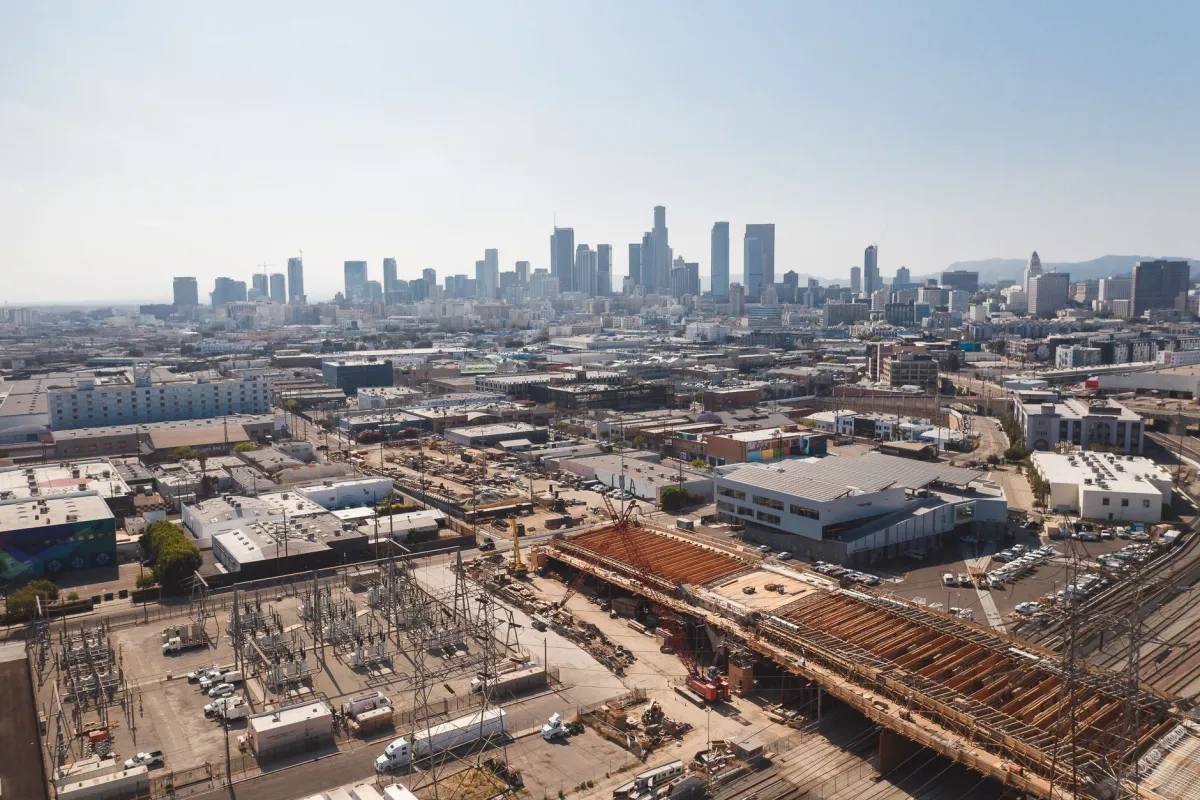
Powering the South Bay: What Commercial Electrical Work in the LAX Corridor and Orange County Actually Demands
What commercial electrical work in the LAX corridor and Orange County demands, and why a union South Bay contractor who knows the local AHJs is an advantage.
Read article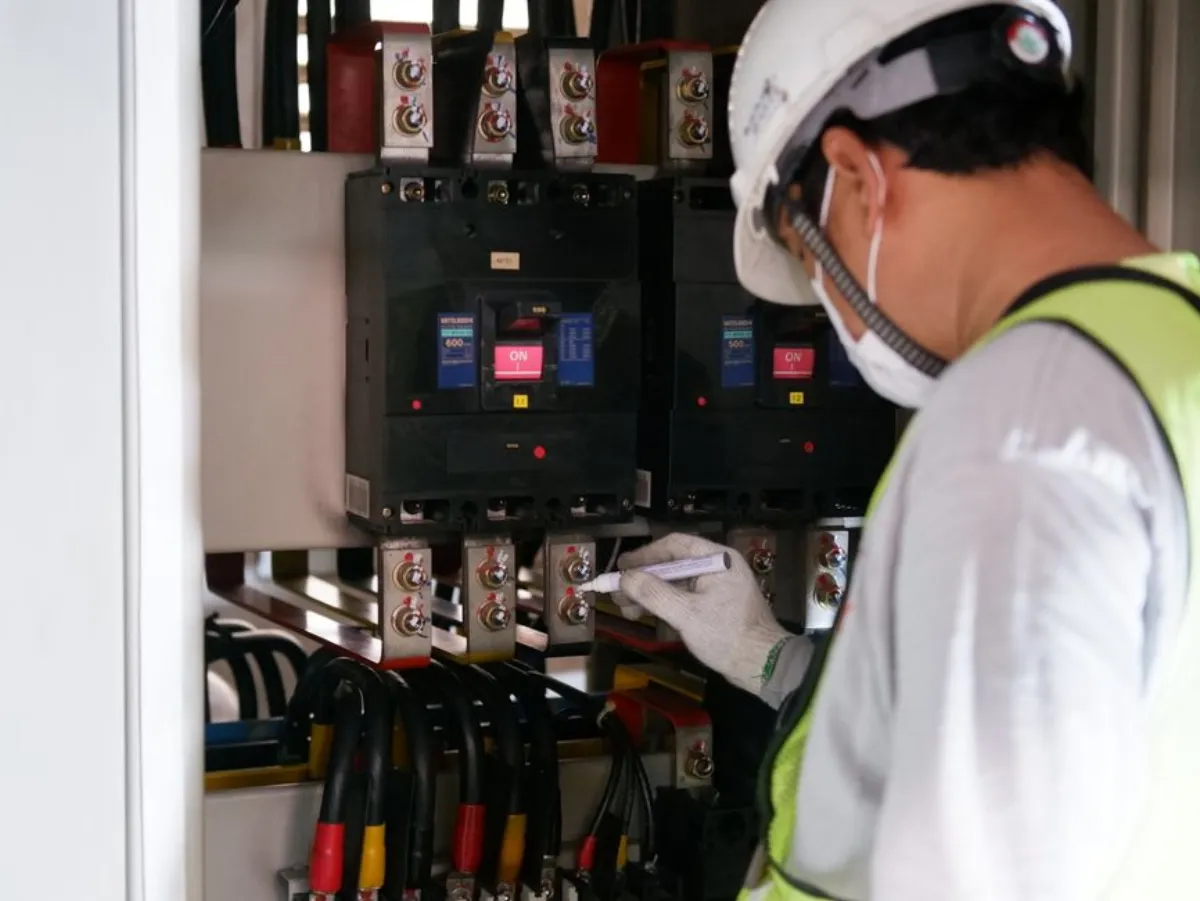
Five Reasons a Commercial Electrical Inspection Fails the First Time
Five common reasons a commercial electrical inspection fails the first time, plus the documentation and testing disciplines that keep your project on schedule.
Read article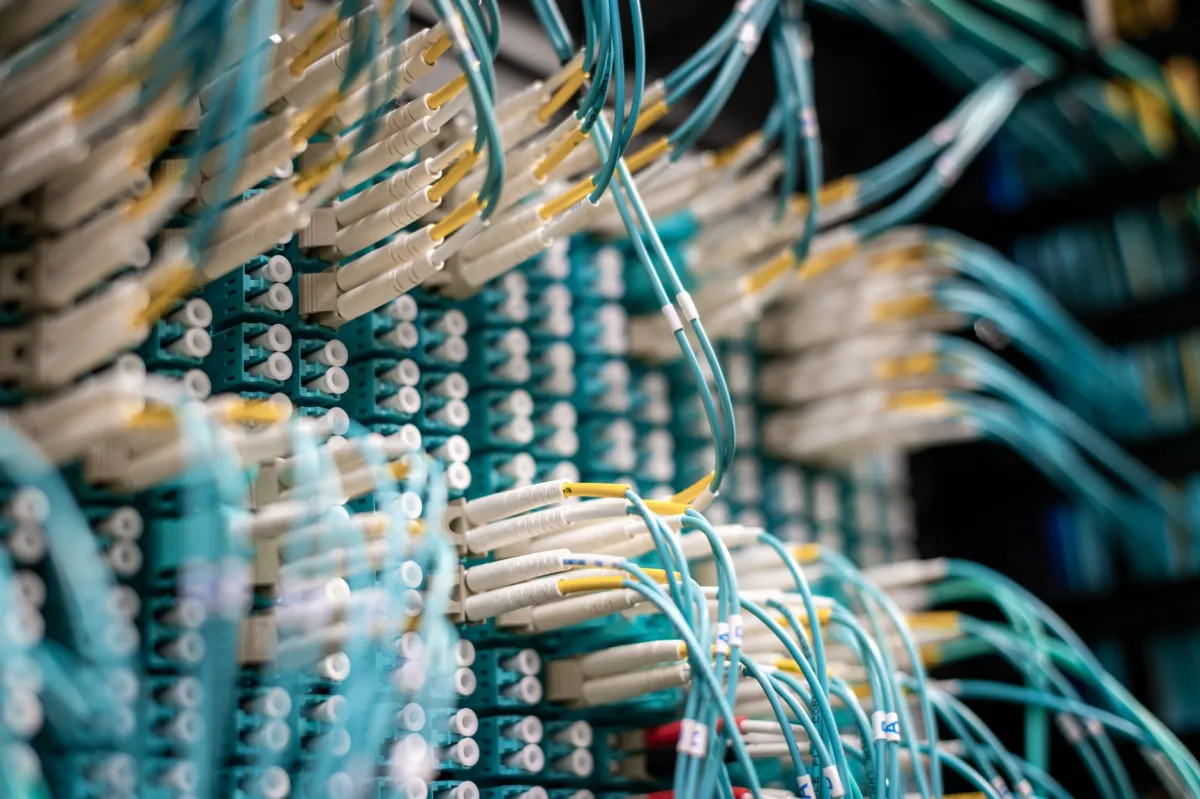
Copper vs. Fiber for Your Building Backbone: A Decision Guide
Copper vs fiber backbone: how facility and IT managers choose by distance, bandwidth, environment, and future-proofing — backed by certified testing.
Read article