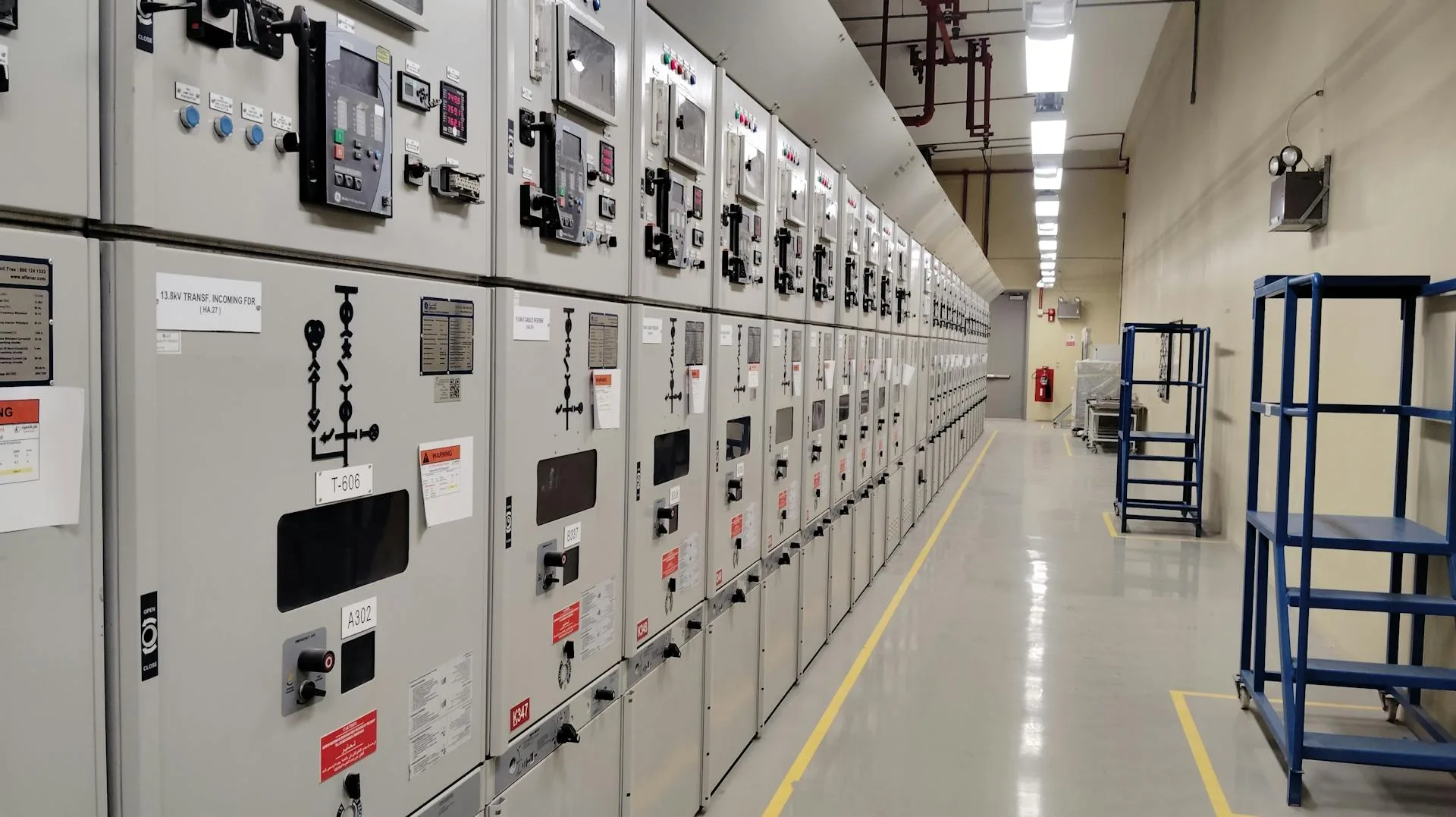
Fire Life Safety Design-Build vs. Plan-and-Spec: Which Delivery Method Fits Your Project
When a commercial fire alarm system reaches the point of installation, the project's outcome is often already decided by how it was procured. The choice between design-build and plan-and-spec delivery shapes how many requests for information land on your desk, how cleanly the work passes the Authority Having Jurisdiction, and whether the schedule holds. For facility managers, general contractors, and project managers in Los Angeles and Orange County, understanding the tradeoffs up front is the difference between a system that gets signed off the first time and one that stalls in correction cycles.
Two Ways to Deliver a Fire Life Safety System
In a plan-and-spec model, a third-party engineer or design professional produces a complete set of fire alarm plans and specifications before the work goes out to bid. Installing contractors price the documents as drawn, and the lowest qualified bidder builds exactly what the drawings call for. The design intent is fixed early, ownership has a fully detailed package, and competitive bidding is straightforward. The tradeoff is rigidity: the contractor who pulls the wire had no hand in the design, so any gap, conflict, or constructability problem in the documents surfaces during installation rather than before it.
Design-build flips the sequence. A single firm takes responsibility for both the engineering and the installation. The team that will terminate the devices, build the conduit backbone, and stand in front of the inspector is the same team that drew the system. Decisions about device placement, circuit routing, panel selection, and code interpretation are made by the people who own the result end to end. The owner contracts with one party for the whole scope instead of coordinating between a separate designer and installer.
Where the Friction Lives: RFIs and Coordination
Requests for information are the clearest signal of how well a delivery method is working. In a plan-and-spec job, the installing contractor cannot make a judgment call when the drawings are ambiguous or collide with field conditions. The question goes back up the chain to the engineer of record, the answer comes down days or weeks later, and the schedule absorbs the delay. On a fire alarm system with dense device counts, survivability requirements, and tight integration with sprinkler, HVAC shutdown, and elevator recall, those questions multiply.
Design-build collapses that loop. When the engineering and the installation sit inside one organization, a field condition that would have generated an RFI becomes an internal conversation resolved the same day. The design adjusts to reality without a formal paper trail crossing company lines. That does not eliminate documentation; in critical applications it makes the documentation cleaner, because the team recording the as-built configuration is the team that designed and installed it.
Passing AHJ Inspection the First Time
The Authority Having Jurisdiction is the final gate, and fire life safety is among the most heavily scrutinized systems an inspector reviews. NFPA 72 compliance, proper survivability of circuits, correct device spacing, accurate sequence of operations, and complete documentation all have to align. When the design and install are separated, gaps between what was drawn and what was built are common, and those gaps become correction notices.
A turnkey design-build partner carries a single, accountable record from plan through final acceptance test. The same firm that engineered the sequence of operations programs the panel, performs the testing, and presents the documentation to the inspector. There is no seam where responsibility can be disputed, and the people answering the AHJ's questions are the people who made the decisions. For projects where uptime and occupancy depend on a clean sign-off, that continuity is what gets the certificate of occupancy released on schedule.
When Design-Build Is the Right Call
Design-build is not the answer for every project, but it earns its keep when certain conditions are present. Aggressive schedules benefit, because engineering and procurement can begin before every detail is finalized. Complex or mission-critical environments benefit, because the integration work between fire alarm, mechanical, and life safety systems is too interdependent to hand off cleanly between separate parties. Tenant improvements and retrofits in occupied buildings benefit, because field conditions rarely match record drawings and a team that can adapt the design in real time keeps the work moving.
Plan-and-spec remains a sound choice when ownership wants a fully detailed package in hand before committing, when a project must go to open competitive bid, or when an existing design is already complete and only installation is needed. The two methods are tools, not ideologies, and the right contractor will tell you honestly which one fits the project in front of you.
What a Turnkey Partner Brings
The value of a single-source partner is concentrated in accountability. One firm provides the plans and engineering for the fire life safety system, builds the conduit backbone, pulls and terminates the wire, replaces or installs the panel, programs the sequence of operations, performs the acceptance testing, and stands for the final sign-off. Manufacturer certifications across Siemens, Edwards, Notifier, Preaction, Ansul, and KIDDIE mean the installing team is qualified on the equipment it specifies rather than learning it on your job. Every electrician on the work is a trained, certified journeyman, and the documentation that reaches the inspector reflects a system designed and built by one accountable team.
That is the heart of a turnkey approach to fire life safety: design through installation, testing, and final acceptance, delivered on time and within budget, with the paperwork as clean as the install. It removes the seams where delays and disputes accumulate and leaves the owner with one number to call and one party responsible for the result.
If you are scoping a fire alarm installation, upgrade, or retrofit and want to weigh design-build against plan-and-spec for your specific project, reach out to discuss the path that gets your system through inspection cleanly and your building back in service on schedule.
Quick answers.
What is the difference between design-build and plan-and-spec for a fire life safety system?
In plan-and-spec, a separate engineer produces complete fire alarm plans before installers bid and build exactly as drawn. In design-build, one firm owns both the engineering and the installation, so the team that designs the system is the same team that installs, tests, and presents it for inspection.
How does design-build reduce RFIs on a fire alarm project?
When engineering and installation sit inside one organization, a field condition that would normally generate a request for information back to a third-party engineer becomes an internal conversation resolved the same day, avoiding the days or weeks of schedule delay that formal RFI loops create.
Why does a turnkey approach help pass AHJ inspection the first time?
A single accountable firm carries one record from plan through final acceptance test. The same team that engineered the sequence of operations programs the panel, performs testing, and answers the inspector's questions, removing the seams between drawn and built work where correction notices typically arise.
When should I choose design-build over plan-and-spec?
Design-build fits aggressive schedules, complex or mission-critical environments with heavy system integration, and tenant improvements or retrofits in occupied buildings where field conditions rarely match record drawings. Plan-and-spec suits projects requiring a fully detailed package up front, open competitive bidding, or an already-complete design.
Can one contractor provide both the engineering and installation for a fire life safety system?
Yes. A turnkey partner can provide the plans and engineering, build the conduit backbone, pull and terminate wire, install or replace the panel, program the sequence of operations, perform acceptance testing, and deliver the final sign-off, all under one accountable team certified on systems like Siemens, Edwards, Notifier, Preaction, Ansul, and KIDDIE.
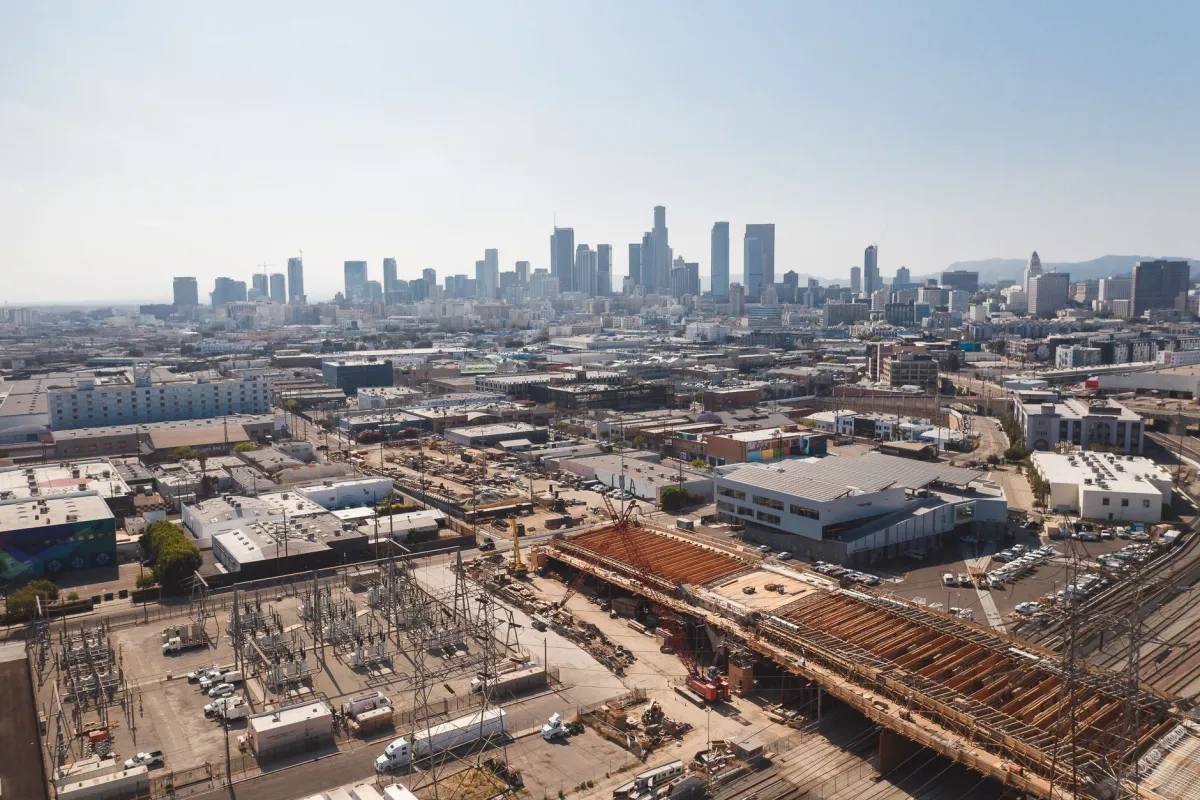
Powering the South Bay: What Commercial Electrical Work in the LAX Corridor and Orange County Actually Demands
What commercial electrical work in the LAX corridor and Orange County demands, and why a union South Bay contractor who knows the local AHJs is an advantage.
Read article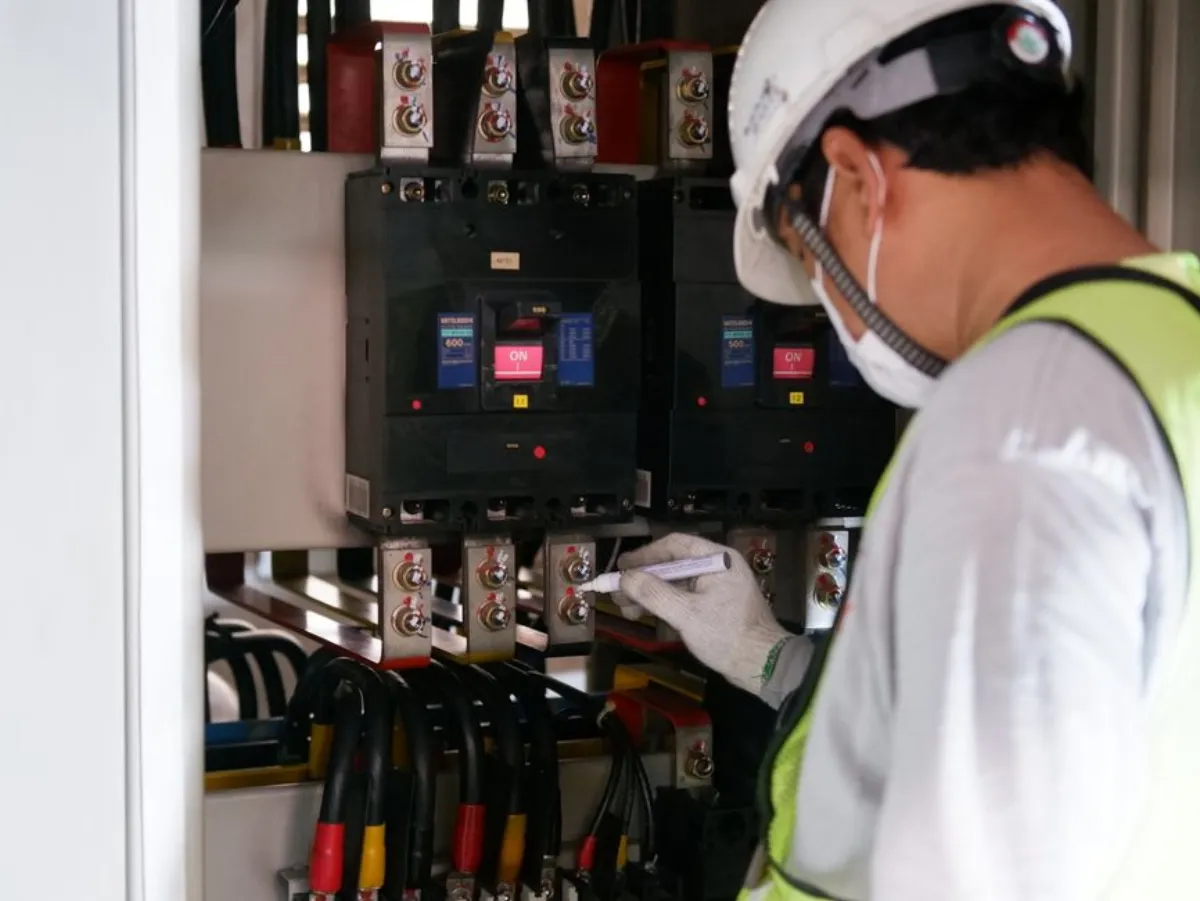
Five Reasons a Commercial Electrical Inspection Fails the First Time
Five common reasons a commercial electrical inspection fails the first time, plus the documentation and testing disciplines that keep your project on schedule.
Read article
Copper vs. Fiber for Your Building Backbone: A Decision Guide
Copper vs fiber backbone: how facility and IT managers choose by distance, bandwidth, environment, and future-proofing — backed by certified testing.
Read article